Ontological UI Design: Expanding the Moral Obligations of Our Design Process
An old paper I wrote in 2020 about the moral obligations involved in UI Design. Better viewed in the PDF format.
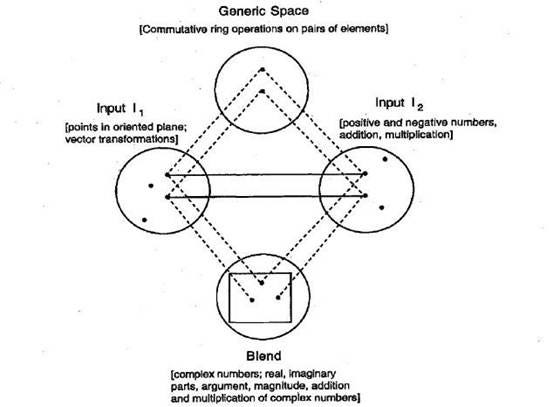
In this paper we explore the philosophical theory of Ontological Design, and the moral consequences that arise from it, in the domain of applied UI/UX design for post-WIMP GUI based devices. First, we ground the philosophical theory into a manipulatable paradigm by establishing the commensurability it shares with ‘Conceptual Blending’, a powerful model for cognition from Gilles Fauconnier and Mark Turner. Second, we will explore how ontological design has been implicitly practiced by forming a reliance on hot cognition, and ways we can more thoughtfully embrace this design choice. Lastly, we explore how designing for a reliance on hot cognition can lead us astray by assuming it as a default value. This research hopes to expand our understanding of the moral obligations we have when designing for the user interfaces that increasingly dominate the way in which we interact with the world.
ontological design, post-WIMP, conceptual blending theory, hot cognition, conceptual model, generative power
Ontological Design, revitalized by philosopher Anne-Marie Willis in 2015, is a philosophical approach to the design of tools and spaces which centres the consequential effects their design and use ends up having on individual and social cognition. A tool is designed for a particular purpose within a particular context, and this purpose in turn constrains the way we pervade through the world by way of a recursive feedback loop which “...adds up to a double movement — we design our world, while our world acts back on us and designs us” (Willis 80).